

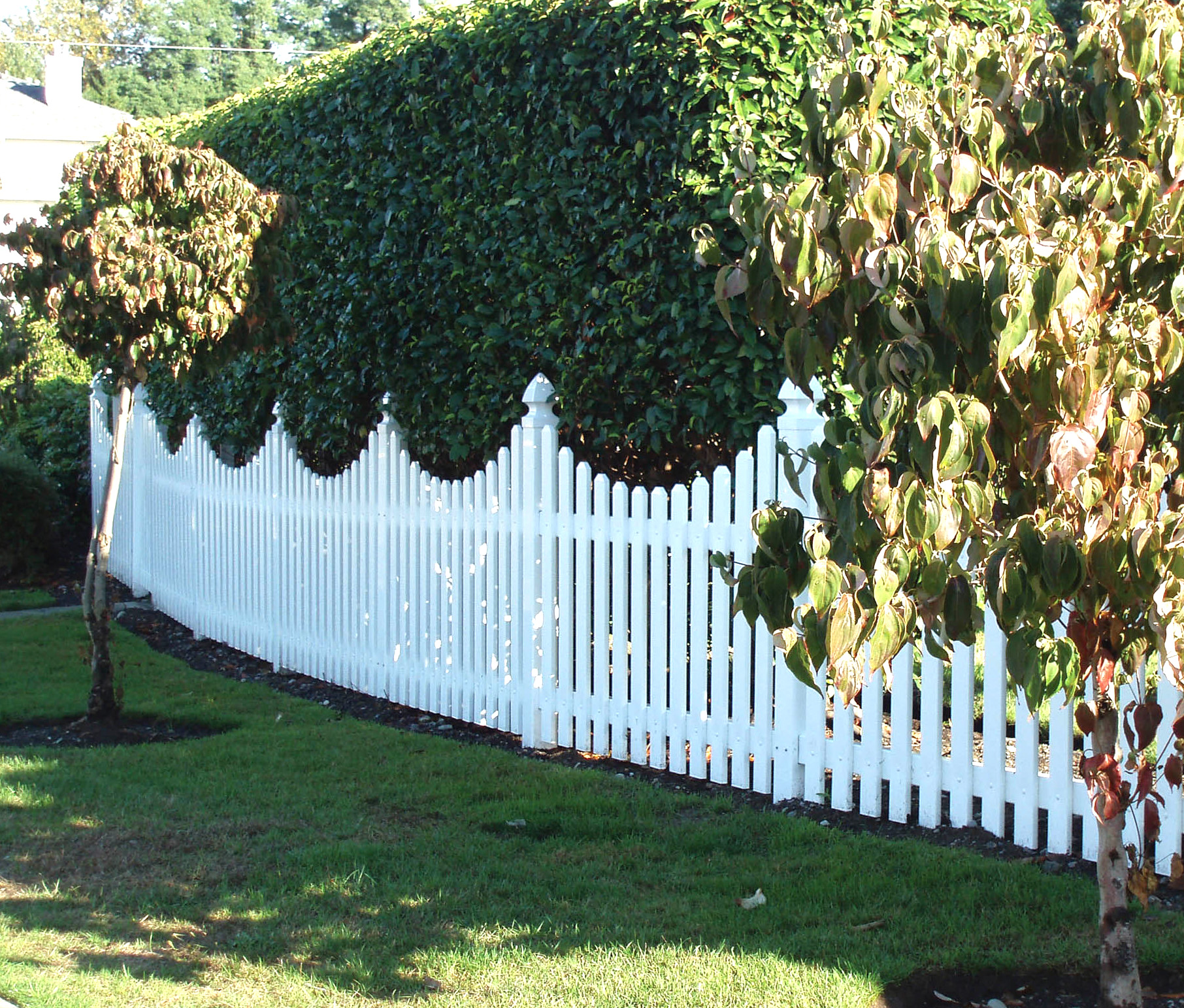
Looking at many vinyl fences may give you the impression that this type of fence touches the ground, but, on the contrary, vinyl fences, if installed correctly, should not touch the ground at all. Any fence that touches the ground, whether vinyl or wood, is more susceptible to the elements. However, this is not why vinyl should not touch the ground. Snow, sagging, and frost are all things you should think about before placing your vinyl fence directly on the ground.
How High From The Ground Should You Install Vinyl Fence?
Most experts agree that you should install a vinyl fence about one to two inches from the ground. This gap under your vinyl fence should be a manageable size so that it's not too big as to be unfillable and easily maneuvered by small animals, and not too small so that it will touch the ground. Generally, your vinyl fence should have enough clearance to give off the illusion of touching the ground without ever actually doing so. Usually, this is not such a noteworthy gap that will make your vinyl fence look unsightly.
What Weather Damage Can Occur If Vinyl Fences Touch The Ground?
Not only will constantly touching damp ground cause molding damage, but if you experience heavy snowfall or frost, if a vinyl fence touches the ground, it will heave with frost or not be able to contain the weight of the snow. Since snow can weigh a lot, it can cause your vinyl fence to begin moving towards one side and allow the dreaded sagging issue that will now make your fence look uneven.
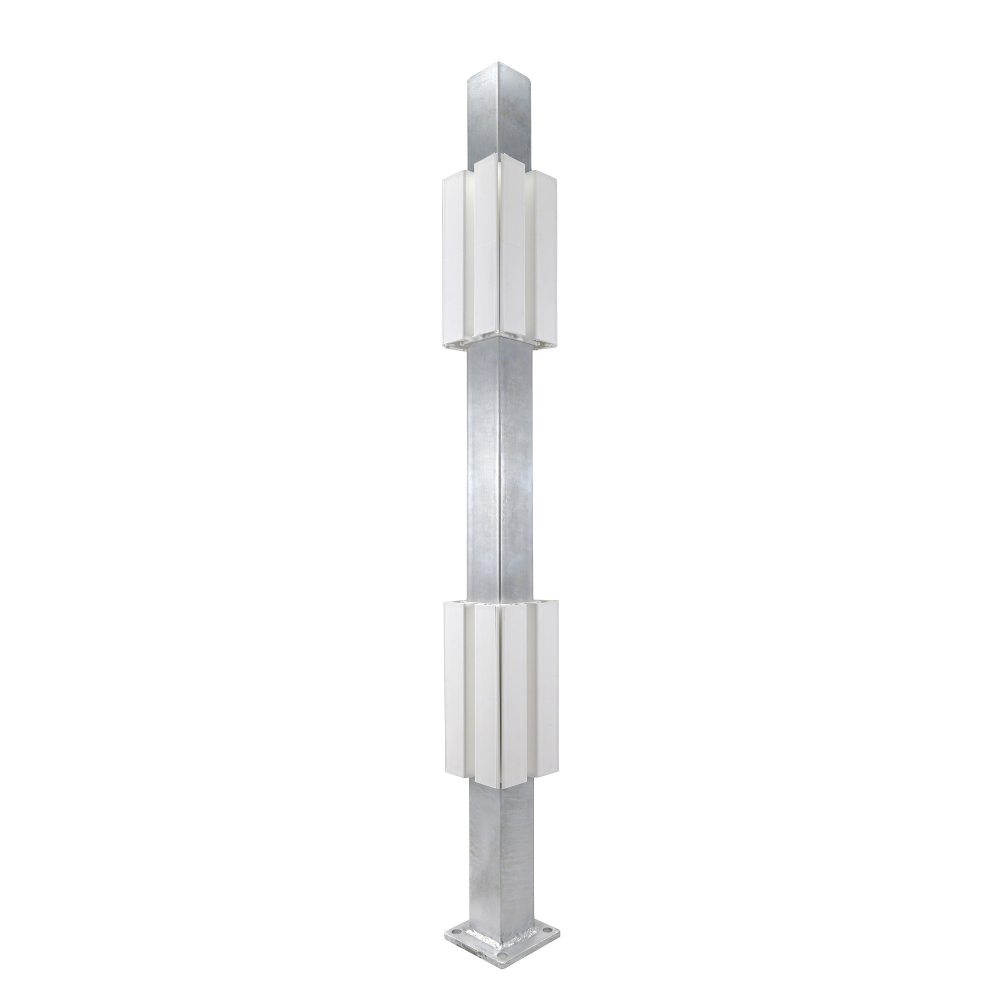
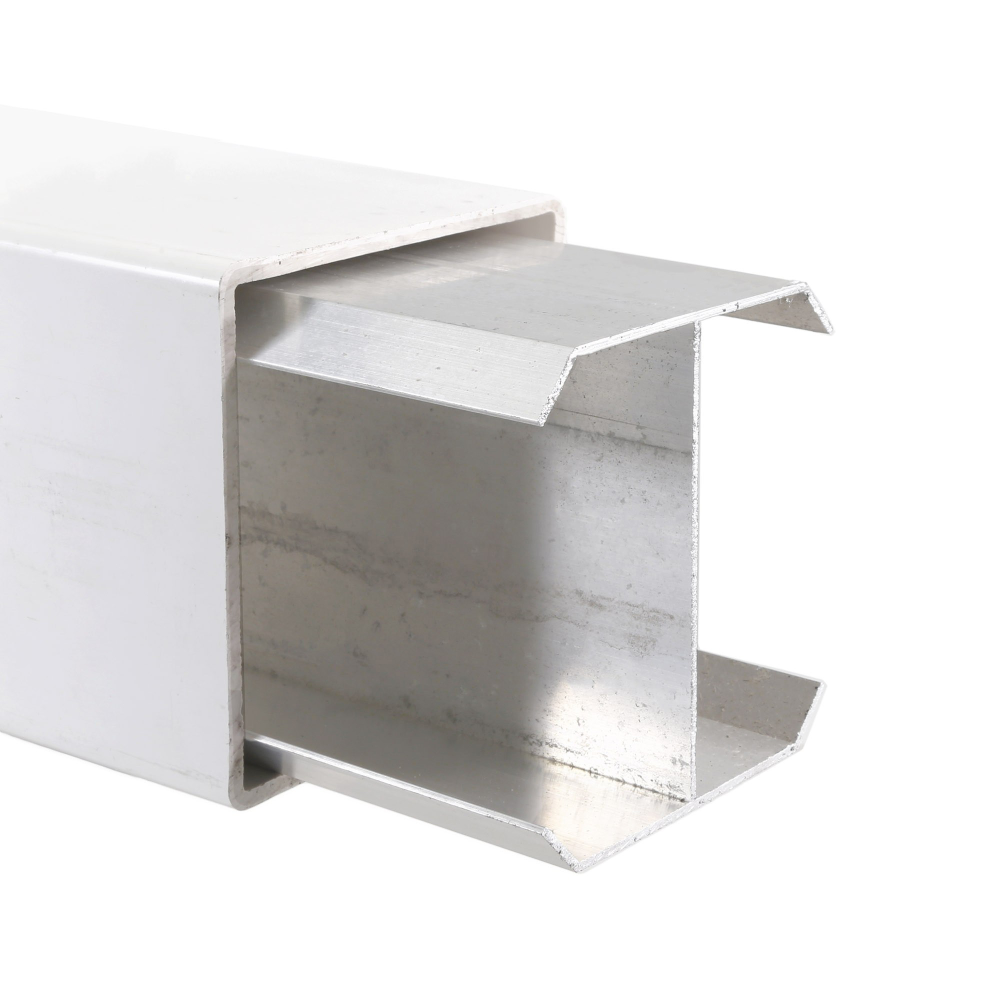
To help fight against this, we highly recommend using aluminum post stiffeners or heavy-duty support posts in your fence posts to provide an extra boost to the strength and stability of your vinyl fence. These posts provide a sort of backbone to your post, granting it extra stability against heavy snow, rain, and high wind speeds.
Can You Fill The Gap Between Your Vinyl Fence And The Ground?
Yes, there are many ways of filling the gape between your vinyl fence and the ground. If you are looking for a fast solution to fill the gap between your vinyl fence and the ground, you can use the following:
- Small rocks
- Dirt
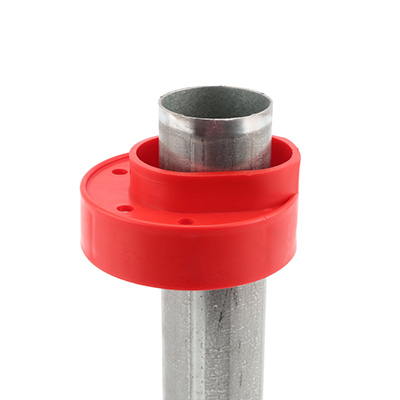
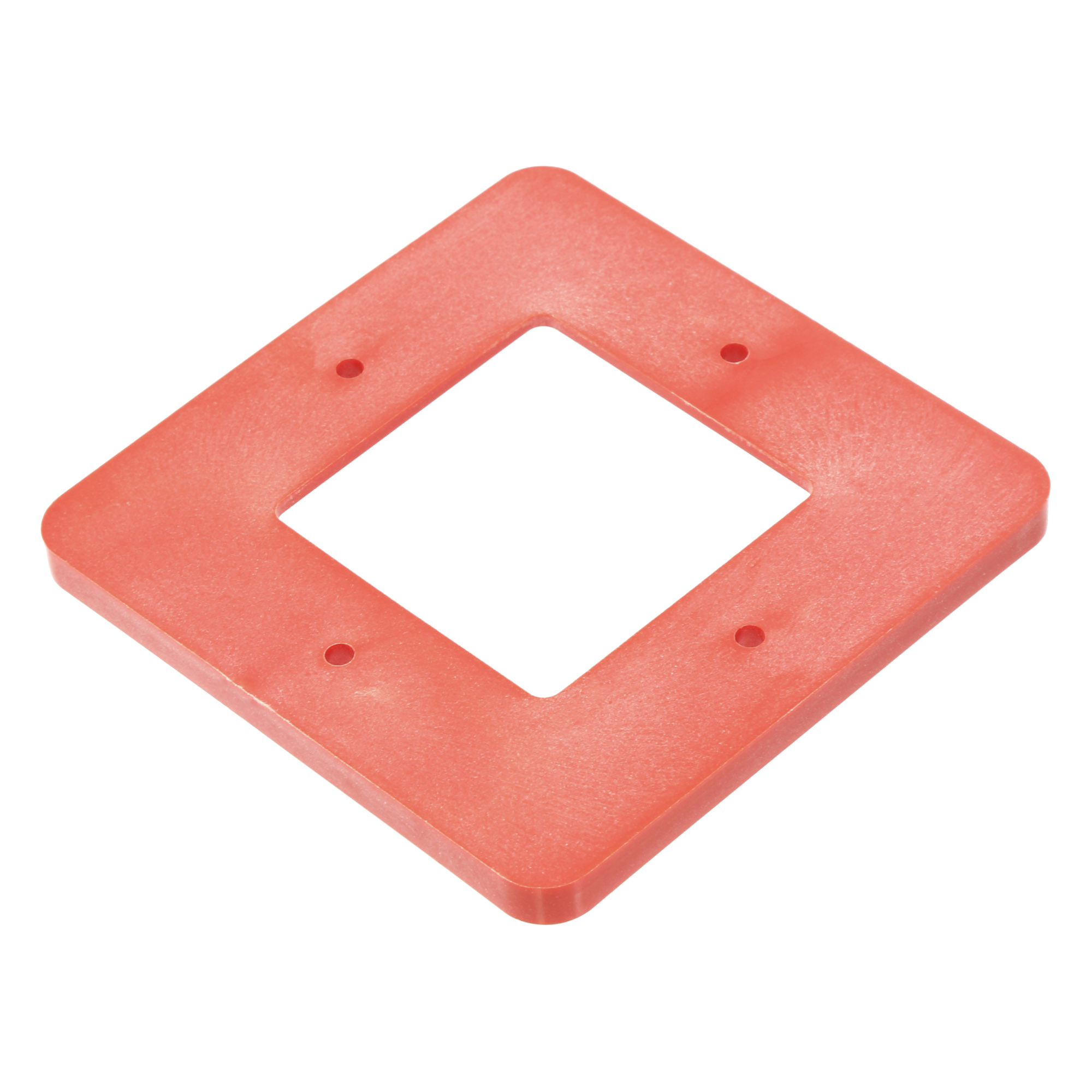
- Vinyl Fence Gap Blockers
- Concrete
- Mulch
Remember that if you choose concrete to fill the gap, it is a permanent solution, and you will not be able to move your vinyl fence again quickly. If you are on a budget, dirt is the most economical way to fill the gap. However, the preferred method is decorative rocks as not only do they look great in any landscape, they offer the most amount of airflow and drainage for your vinyl fence, preventing any moisture buildup that could severely damage your fence. Many vinyl fence owners get creative and sometimes use bricks or hedging to cover these spaces. If you have a pet, you’ll want to cover these gaps so they cannot slip through.
Can You Prevent Fence Sagging So That It Doesn't Touch the Ground?
While it's not technically possible to completely stop fence sagging, you can slow it down so much that it becomes unnoticeable and mitigate the damage heavily. Other than the previously mentioned support posts, there's a few tools that you can use to help prevent fence sagging including:
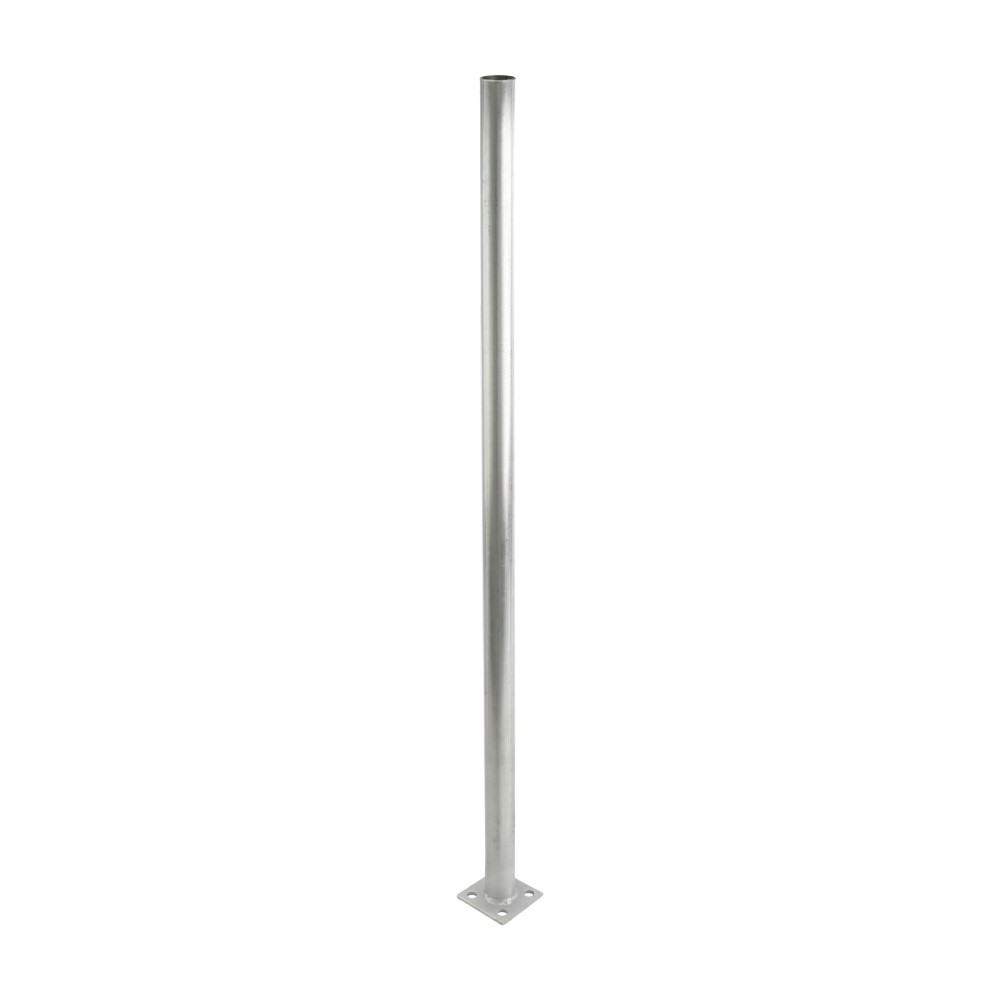
- No-Dig Post Mount Brackets - These are great for maintaining proper ground clearance without digging too deep, consider using no-dig post mount brackets
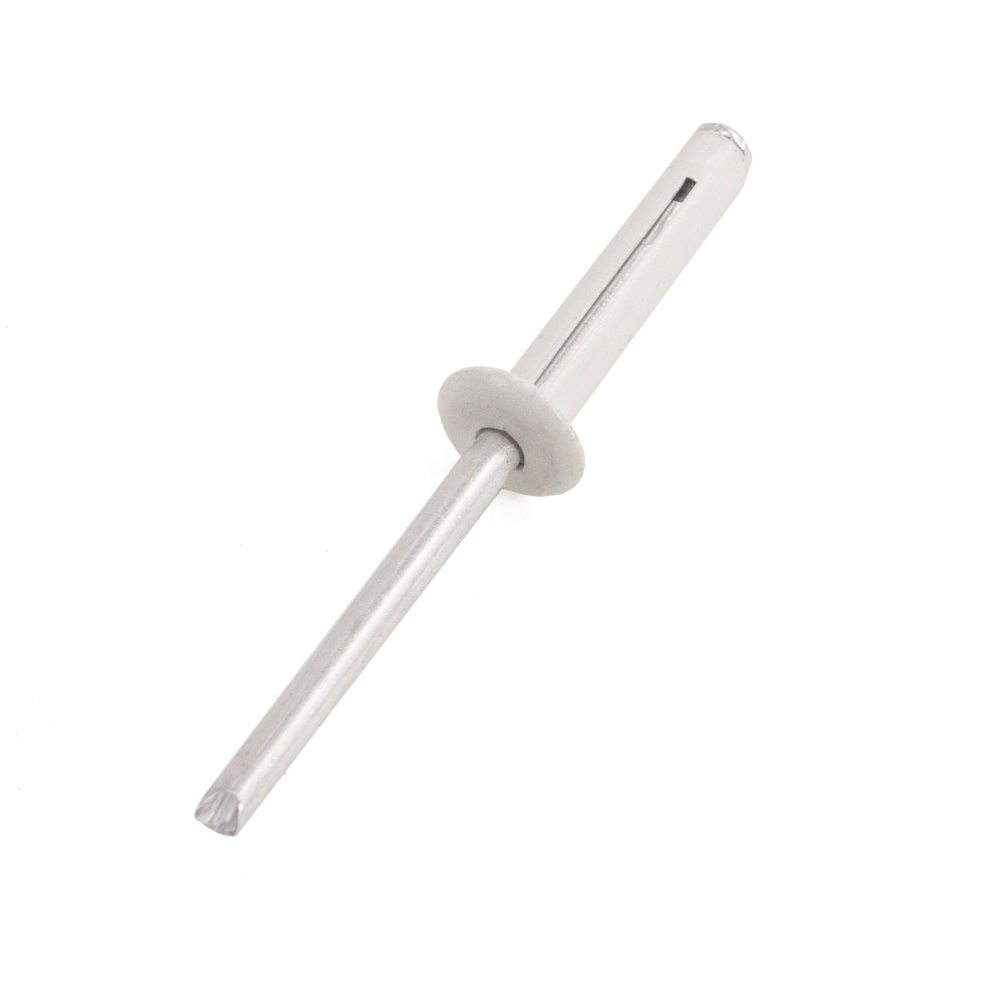
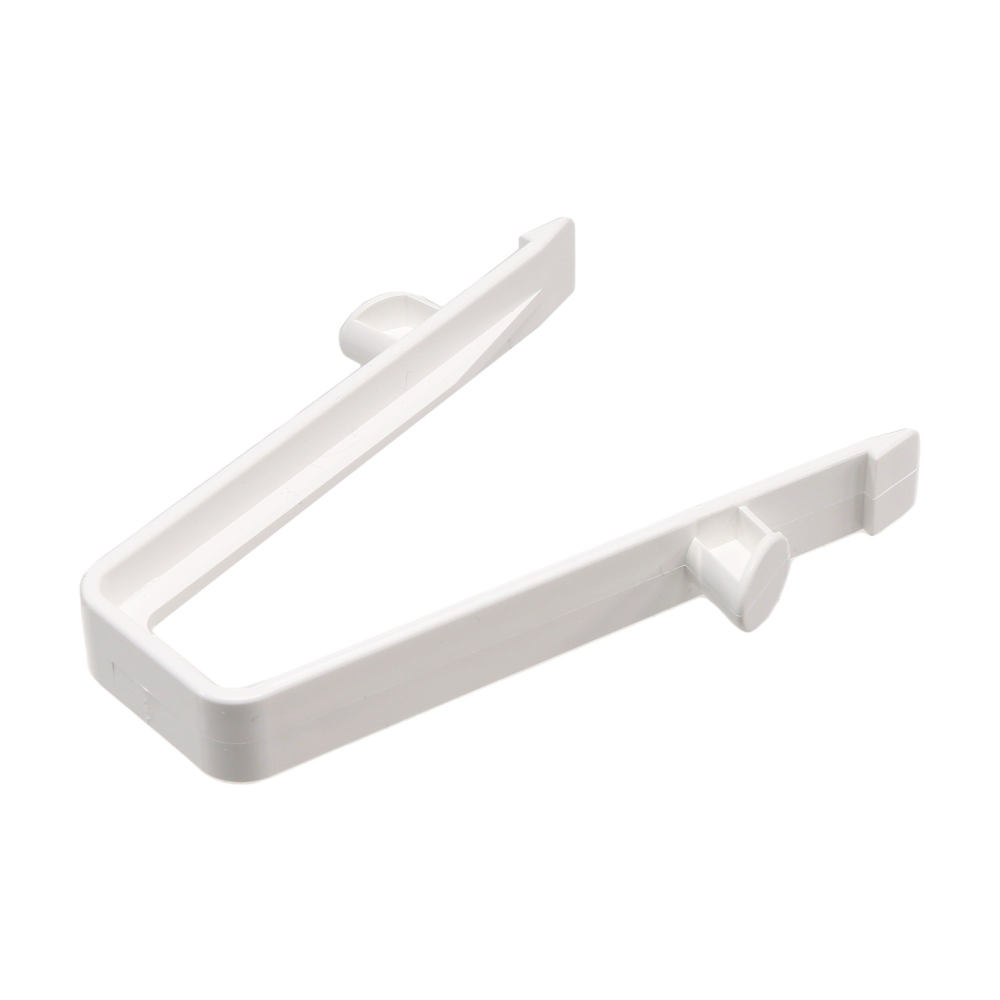
- Railing Post Mounts, Clips, & Rivets - These act as either a gap-filling solution or finishing touches
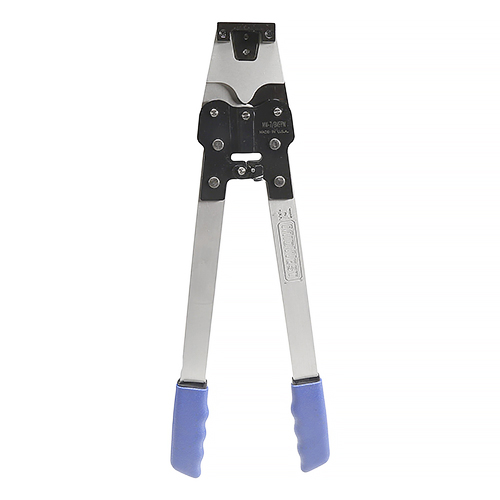
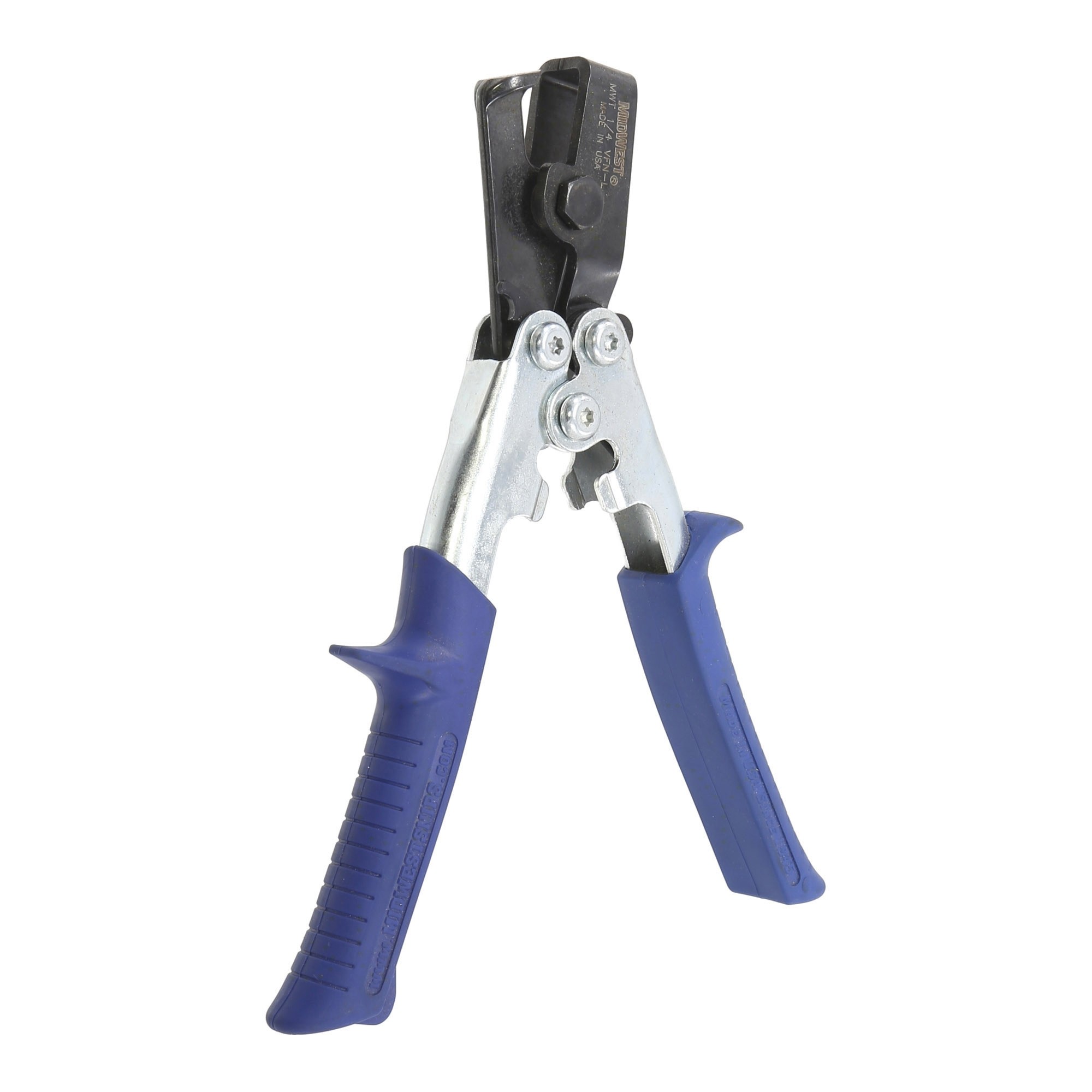
- Rail Notchers & Rail Nibblers - These can be used to fine-tune rail positioning especially useful when adjusting fence height above uneven ground
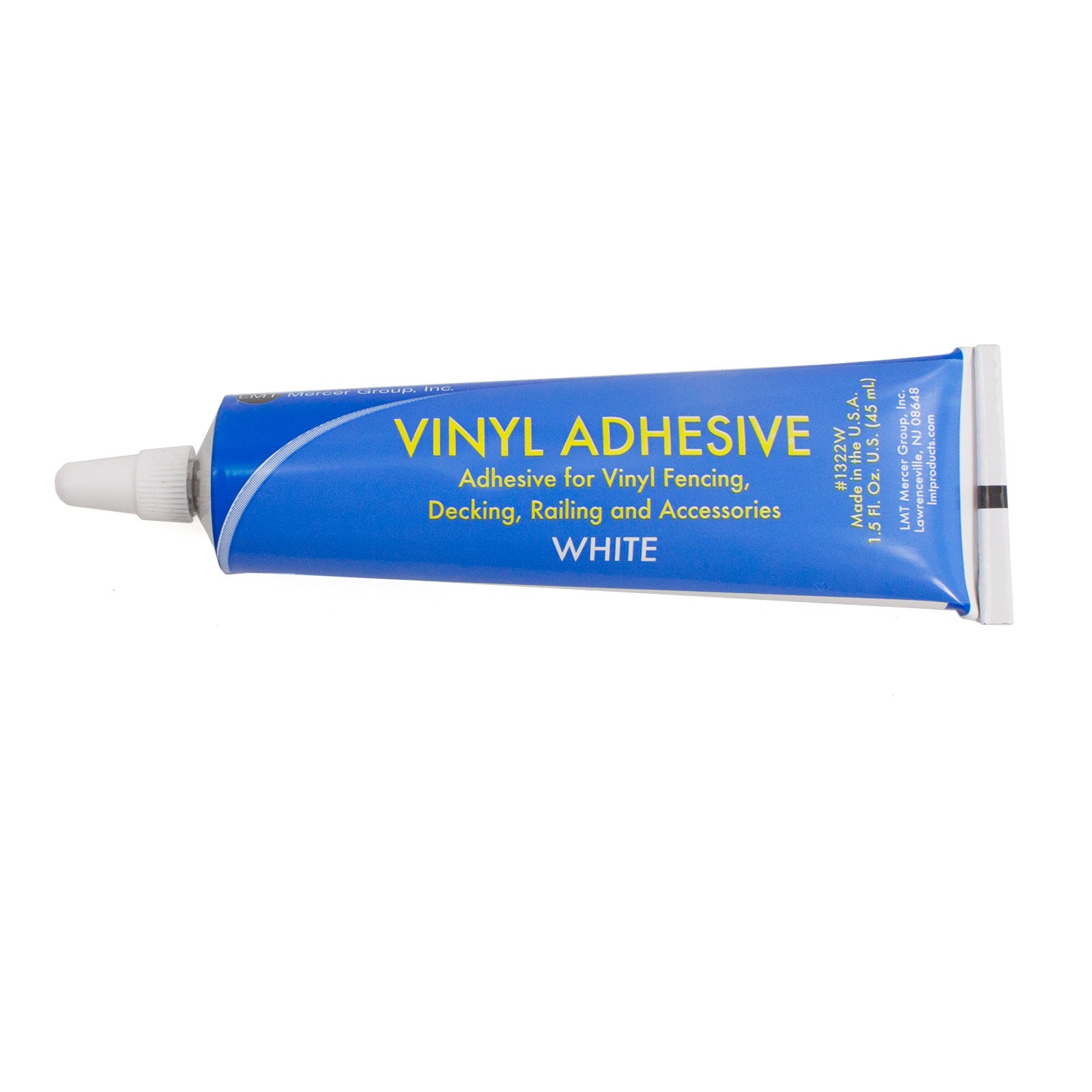
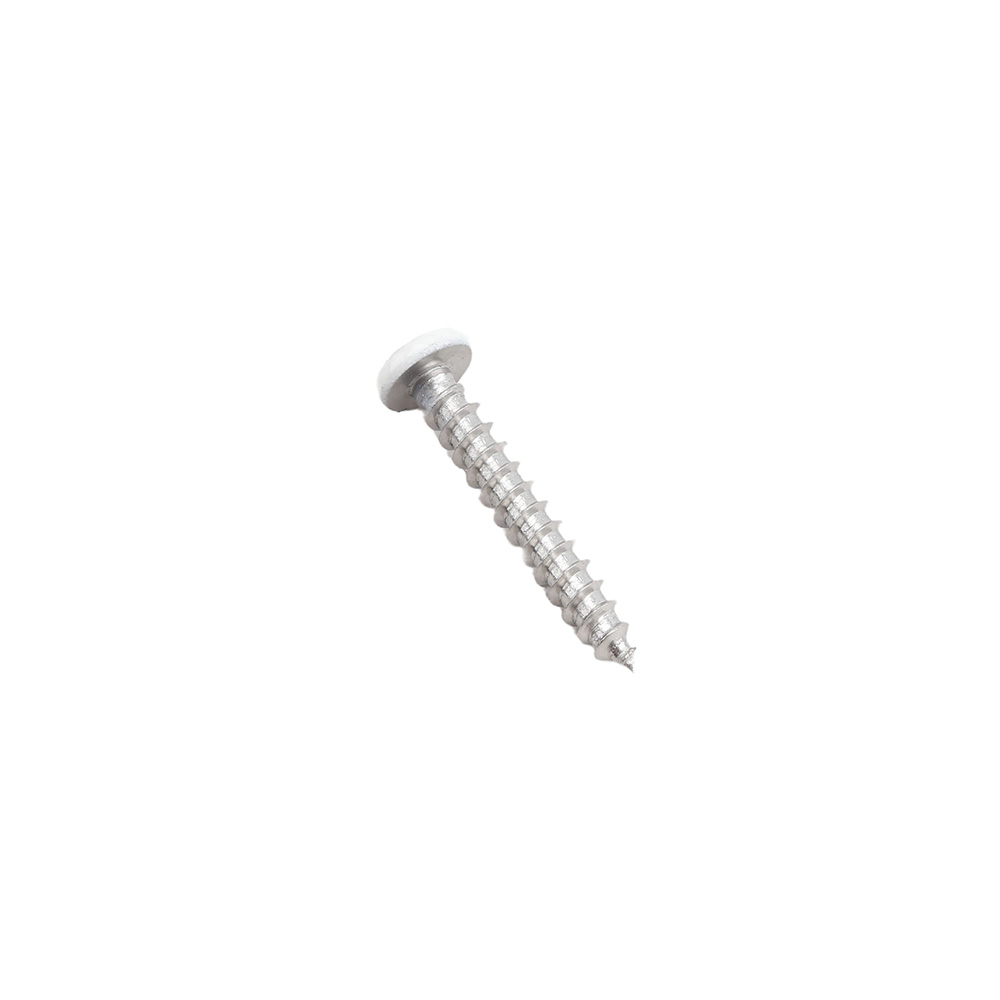
- Fence Fittings Glue, Screws, & Router Bits - These products can help secure panels when maintaining a 1–2 inch clearance from soil.